
Popular Tree Removal Products for Safe and Effective Work
Explore top-rated tools and gear that help you handle tree removal tasks with confidence and precision.
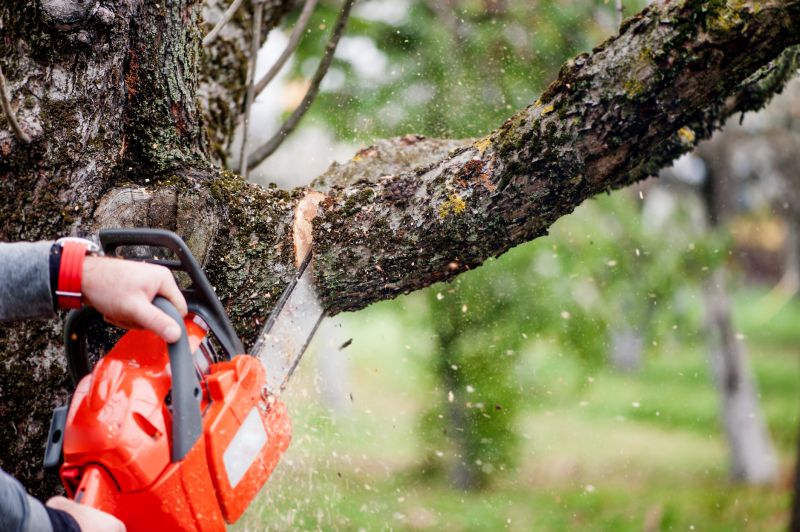 Tree removal is a task that often requires specialized equipment and careful planning to ensure safety and efficiency. Whether dealing with hazardous branches, dead trees, or clearing space for construction, having the right tools can make a significant difference. From manual hand tools to powered equipment, there are various options suited to different scales of tree removal projects. Proper safety gear and understanding the scope of the job are essential before selecting the appropriate products.
Top Overall Option
Multi-Function Tree Removal Kit
A comprehensive tree removal kit that includes a versatile chainsaw, pole saw attachment, safety gear, and maintenance tools. Designed to handle a range of tree removal tasks, this all-in-one set provides the necessary equipment for both small and larger projects, emphasizing safety and ease of use for homeowners and professionals alike.
Types of Products For Tree Removals
Hand Pruning Saws
Manual saws ideal for trimming small branches and precise cuts, suitable for detailed work and small-scale removals.
Pole Pruners
Extendable tools designed to reach high branches safely while allowing for controlled pruning and removal.
Gas-Powered Chainsaws
Powerful chainsaws suitable for cutting through large trunks and heavy branches, often used in professional tree removal.
Electric Chainsaws
Electric models that offer quieter operation and lower maintenance, ideal for residential use and smaller jobs.
Battery-Powered Chainsaws
Cordless chainsaws providing mobility and convenience for medium-sized tree removal tasks.
Stump Grinders
Equipment used to grind down tree stumps after removal, helping to clear the area and prepare for landscaping.
Tree Climbing Gear
Harnesses, spikes, and ropes designed for professional arborists to safely ascend and work on tall trees.
Safety Helmets and Gear
Protective equipment including helmets, gloves, and eye protection essential for safe tree removal operations.
Rope and Rigging Equipment
Tools used for controlled lowering of large branches or trees, ensuring safety and precision during removal.
Loppers
Heavy-duty pruning shears suitable for cutting thicker branches with minimal effort.
Chipping Machines
Equipment that transforms branches and debris into mulch, aiding in cleanup and disposal.
Debris Bags and Containers
Durable bags designed for collecting and transporting cut branches and wood debris.
Carbide-Tipped Cutting Blades
Replacement blades for chainsaws and saws that offer durability and efficient cutting performance.
Hydraulic Lifting Equipment
Heavy machinery such as cranes or lifts used to safely remove large, heavy trees or sections.
Tree Removal Attachments
Specialized attachments for power tools that enhance their ability to cut or manipulate trees.
Popular Choices
Popular for reaching high branches without ladders, offering convenience and safety.
Portable and easy-to-use chainsaw kits favored for small to medium tree work.
Trusted for precise pruning and branch removal in various tree care tasks.
Effective tools for removing stumps after tree felling, gaining popularity among landscapers.
Essential safety gear that is widely used for personal protection during tree work.
Preferred by homeowners for their quieter operation and ease of handling.
Popular among professional arborists for safe and efficient tree climbing.
Commonly used for controlled branch lowering and tree dismantling projects.
High-demand equipment for processing branches into mulch, popular in landscaping projects.
Convenient for quick cleanup during and after tree removal work.
In residential settings, smaller, manageable tools like pruning saws and pole pruners are commonly used for lighter tasks. Larger trees or more complex removals often necessitate powered equipment such as chainsaws, pole saws, or even stump grinders. When choosing equipment, consider factors like the size of the trees, the terrain, and your experience level. Proper training and safety precautions are vital, especially when handling heavy machinery.
Additionally, accessories like safety helmets, gloves, eye protection, and harnesses are crucial for ensuring safety during tree removal. For professional or extensive projects, renting or investing in high-capacity equipment might be more appropriate. Always prioritize safety and proper technique to prevent accidents and damage to property. With the right selection of products, tree removal can be performed more efficiently and with greater confidence, whether for personal projects or professional services.
Key Buying Considerations
- Tree size and type: Larger or harder wood trees may require more powerful equipment.
- Project scale: Determine if the task is small-scale pruning or large tree removal to select appropriate tools.
- Safety features: Look for equipment with safety guards, emergency shut-offs, and protective gear compatibility.
- Ease of use: Consider your experience level and choose tools that match your skill set.
- Power source: Decide between gas, electric, or battery-powered tools based on mobility and convenience.
- Maintenance requirements: Evaluate how much upkeep is needed to keep equipment in good working order.
- Durability and build quality: Opt for products made from sturdy materials to withstand demanding use.
- Budget: Balance the cost of equipment with features and your specific needs.
- Accessibility: Ensure tools can reach high branches or tight spaces if necessary.
- Environmental conditions: Consider weather resistance and suitability for outdoor use.
- Storage options: Think about where and how you'll store equipment safely.
- Noise levels: Be aware of noise restrictions or preferences, especially in residential areas.
- Compatibility: Check if attachments or accessories are compatible with existing equipment.
- Legal and safety regulations: Ensure compliance with local safety standards and regulations.
- Availability of replacement parts and support: Choose brands with accessible service options.